general inquiries
Inquiries, Scheduling, and Consultation
When reaching out, it is helpful to include a brief description of the nature of the inquiry, relevant timelines, and the type of service being requested. This allows for efficient response and determination of next steps.
Initial conversations focus on clarifying the referral question or organizational goals. From there, scope of services, availability, and logistical considerations can be addressed.
All inquiries are handled with professionalism and discretion.
Phone: (860) 729-2613
Office Location: Hartford, Connecticut
Additional details and inquiry form available through the website.

Upcoming Book & Thought Leadership Insights
Advancing the Conversation on Violence Prevention
Dr. Leite is currently completing a forthcoming book focused on behavioral threat assessment, decision-making, and violence prevention. The book will synthesize decades of applied experience with current research, offering insight for professionals navigating complex behavioral concerns.
While publication is anticipated within the next year, this page establishes early authority and provides space for future announcements, speaking tie-ins, and media engagement.
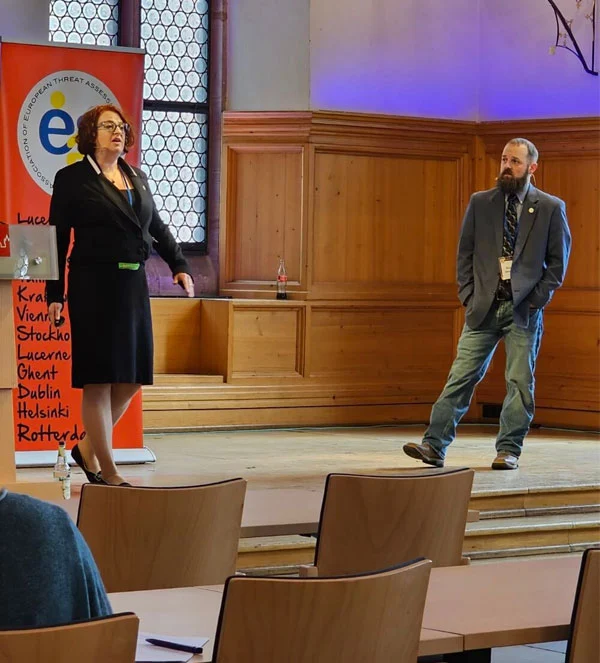
In addition to her book project, Dr. Leite contributes to professional dialogue through conference presentations, educational programming, and interdisciplinary collaboration.
Organizations interested in hosting future book-related presentations or receiving publication updates may express interest through the contact page.
A Philosophy of Prevention
Violence prevention is often misunderstood
Violence prevention is frequently framed as prediction — an attempt to foresee rare events with certainty. In reality, effective prevention depends on structured assessment, informed judgment, and collaborative management.
Dr. Leite’s work is grounded in structured professional judgment models. These models recognize that risk is dynamic, contextual, and influenced by multiple interacting factors. The goal is not to label individuals. The goal is to understand behavior patterns and intervene thoughtfully.
Her approach rests on several guiding principles:
- Prevention is proactive, not reactive.
- Assessment must be evidence-based.
- Response must be proportional.
- Dignity matters.
By combining psychological science with practical application, organizations can reduce risk while maintaining fairness and integrity.
This page helps differentiate her work from both therapy and purely security-based approaches. It clarifies that her role is analytical, consultative, and preventive.